
Descargar la aplicación


Servicios al cliente
Sobre nosotros
Copyright © 2025 Desertcart Holdings Limited
Descargar la aplicación

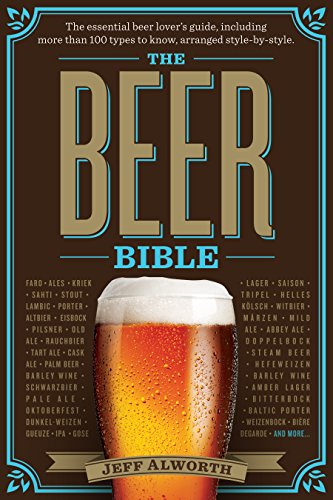
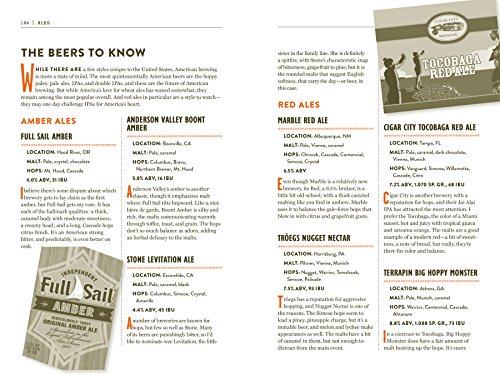
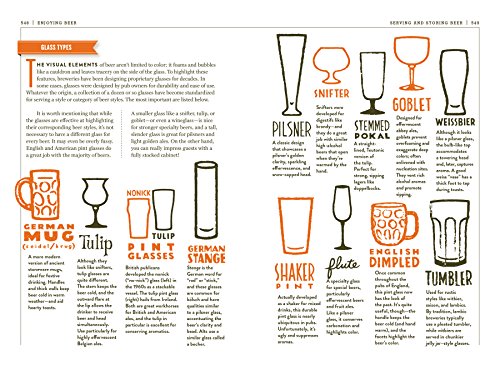

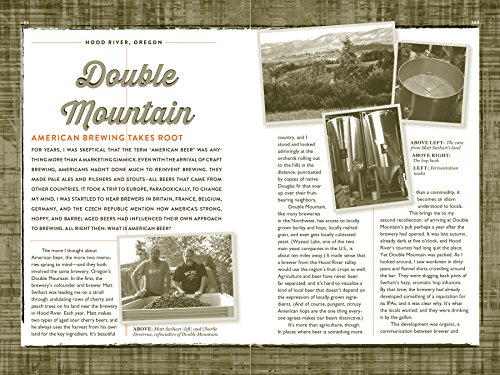
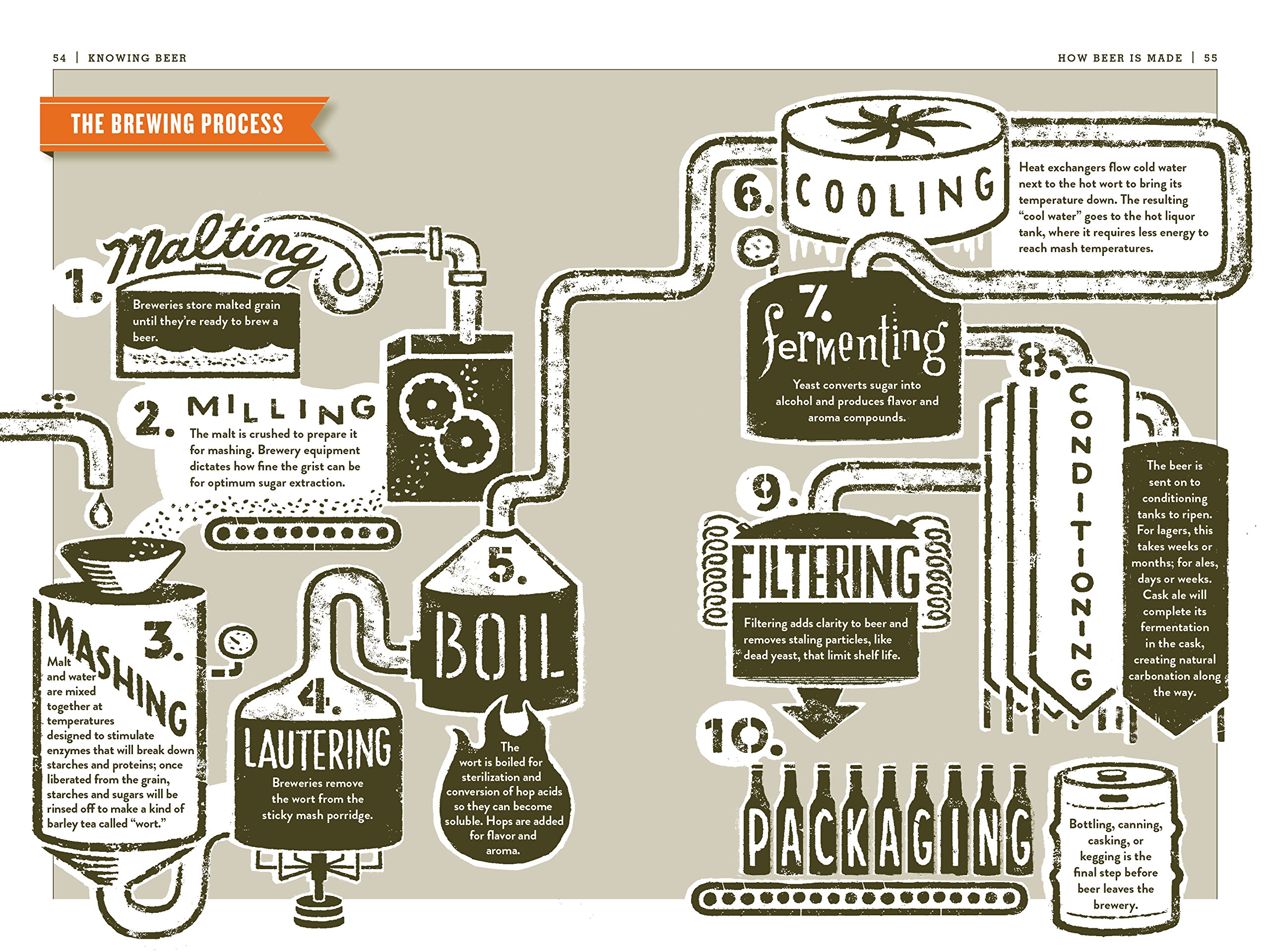
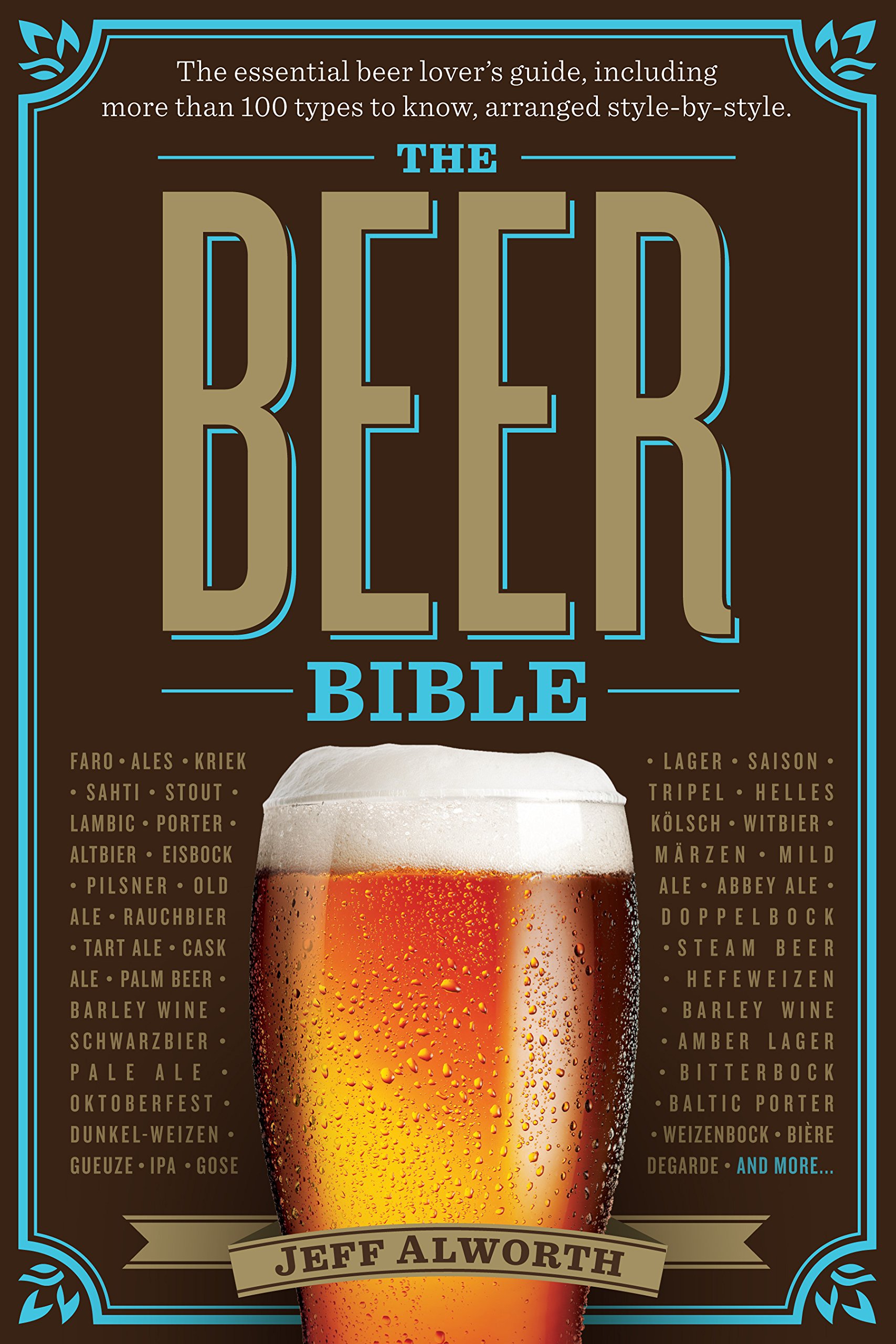
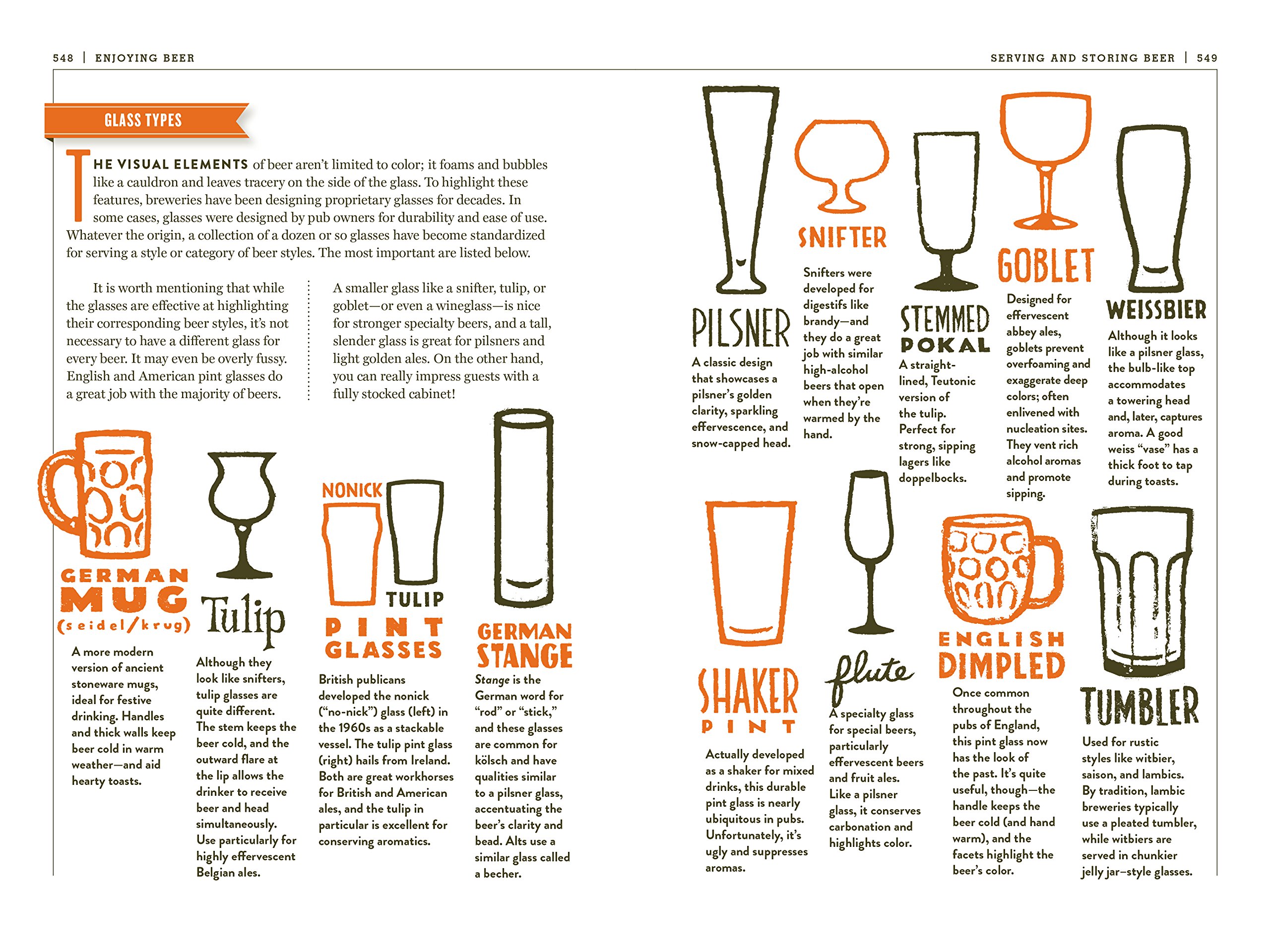
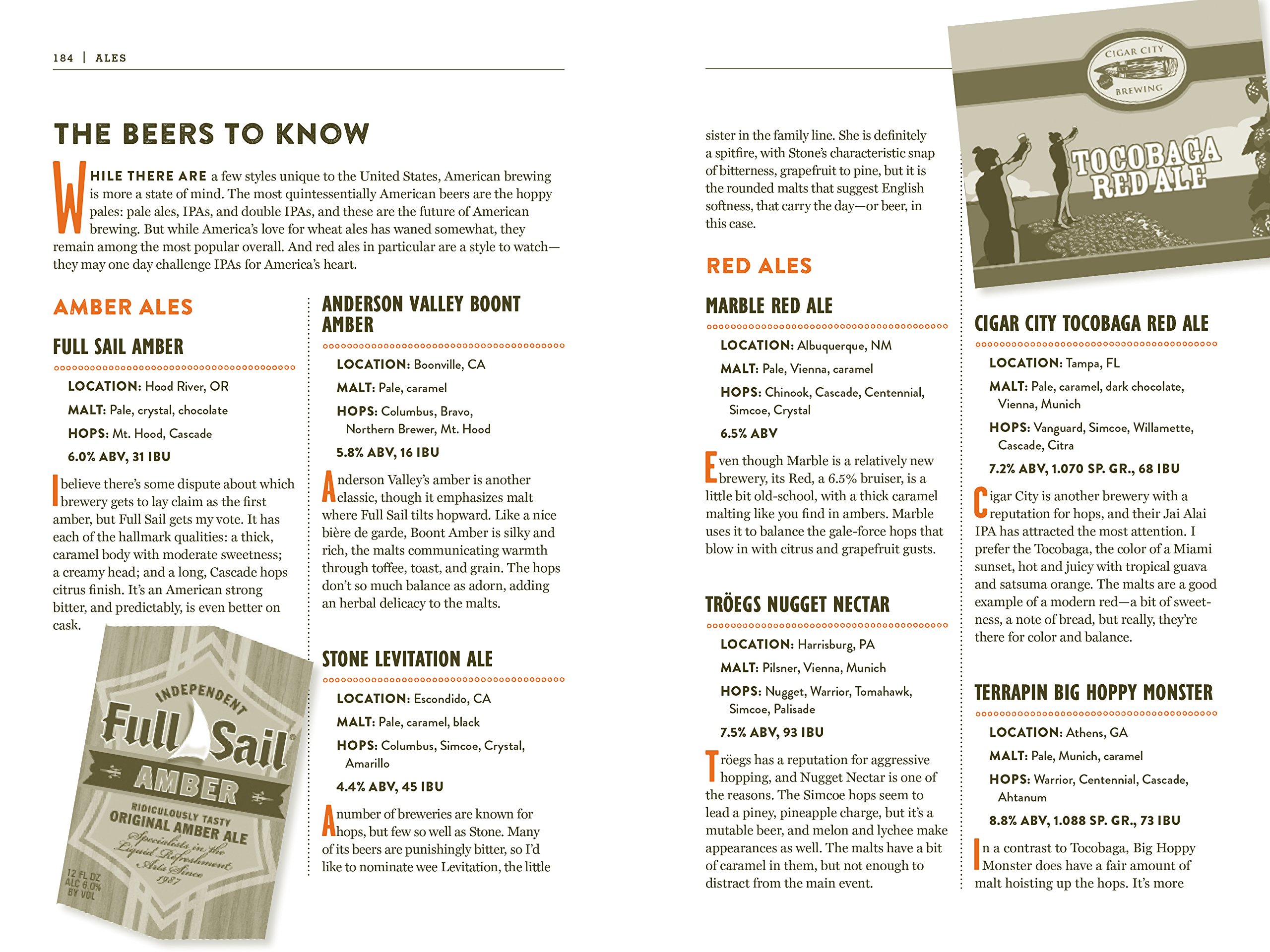
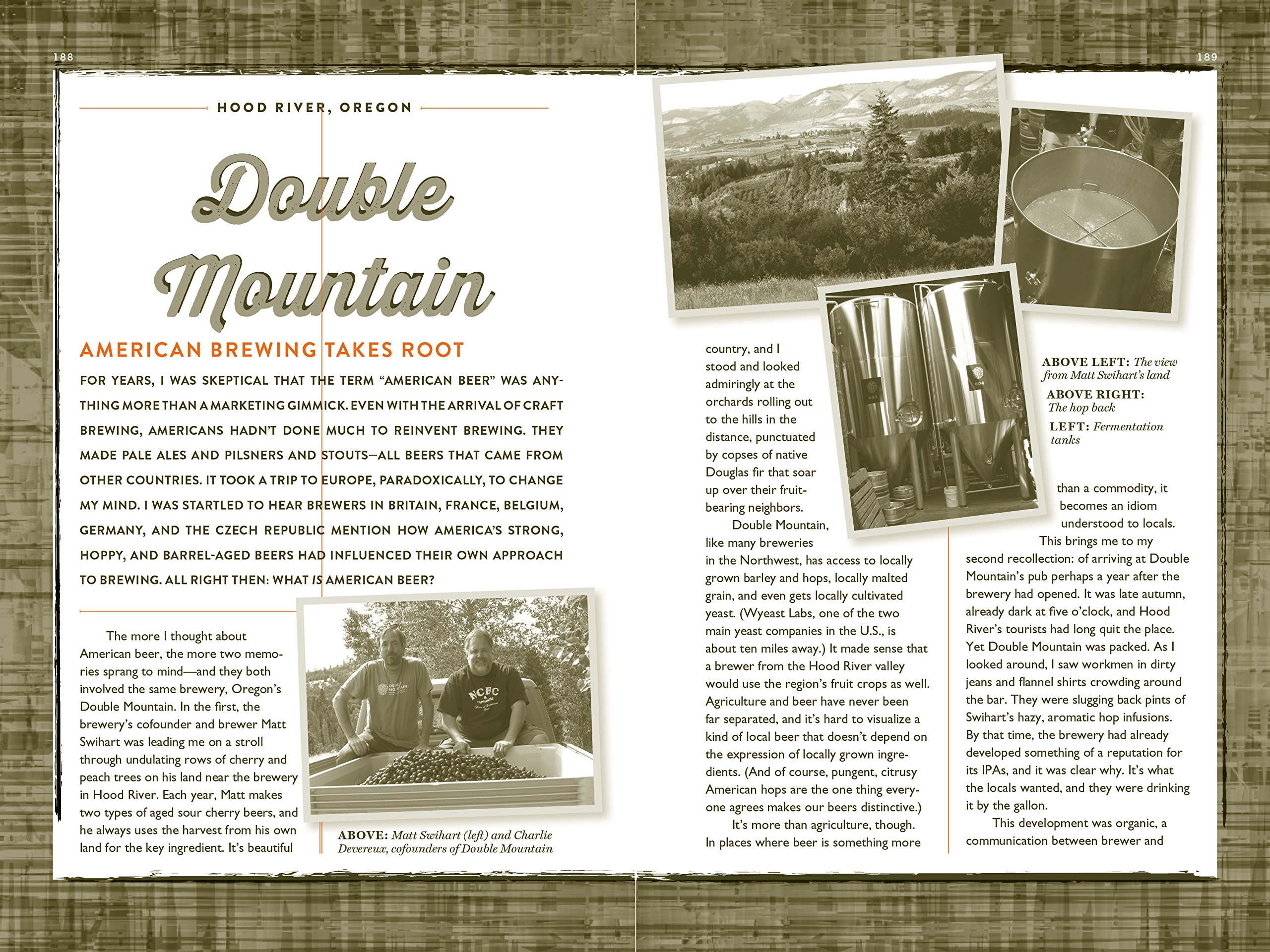
The Beer Bible [Alworth, Jeff] on desertcart.com. *FREE* shipping on qualifying offers. The Beer Bible Review: Beer Bible Lives Up To Its Name - Perhaps no other word in the English language is as used and abused as the word “bible.” The Bible is, of course, the book, the granddaddy of them all, the book of books, ground zero for storytelling. So it’s no surprise that contemporary authors would tap into that universal vibe, hoping to ride the bible wave. On desertcart there are books called The Freelancer’s Bible, The Screenwriter’s Bible, the Medical Marijuana Grower’s Bible, the Colored Pencil Painting Bible—there’s even a book called the LSAT Logic Games Bible, which is a stretch even by LSAT standards. There is, of course, The Wine Bible. All these books use descriptors like “everything” and “complete” and anything else that derives foundational juju from that archetypal tome. And now Jeff Alworth has given us The Beer Bible. Alworth is a beer writer and author of The Beer Tasting Toolkit and Cider Made Simple, and he has his own blog, Beervana. In addition, he writes a weekly column for All About Beer, and co-hosts the quirky and entertaining podcast—also called Beervana—with Patrick Emerson. Alworth has mash tuns of information to share, and it’s quickly evident that he does his research the old fashioned way: at the pub. That is not a snarky indictment of his writing. To the contrary, The Beer Bible is filled with concise and clear language that only occasionally leaves the hopped neophyte bewildered. There’s enough tech talk in here to satisfy more advanced brewfans, but the majority of the book is accessible to the lay readership. The Beer Bible is organized into major categories that can be read apart from the rest of the book: ales, wheat beers, lagers, and tarts and wild ales. Early on Alworth tackles the tricky territory of beer styles, or types. Other livening beverages have a distinct sense of place—terroir. Wine and whiskey reflect the regions of their production. But beer is different. Beer reflects history and economics, evolution and culture, place and time. And this is where Alworth shines. He makes sense of the complexities of beer geography without bogging down in minutiae better left to academic study. Here’s an example of his storytelling that allows access into the complexities of the beer world: If you were to devise a product equally as attractive to beer geeks as oenophiles, it would look a great deal like the “Burgundies of Belgium”…Once there were dozens of these regional specialties and it made sense to differentiate between schools known as Flemish red and brown beers. Now…their differences are far less significant than their similarities. Can’t beer lovers get a cool name like wine lovers? How about beeroisseurs? Or cervisiphiles? Anyway, that’s just an example of how this book handles what can be a confusing roadmap of understanding beer. Another way is the layout. Each section contains interesting sidebars, statistics, characteristics, brewing notes, a great “Beers to Know” section featuring a cross-section of examples, and a short feature on a notable brewer or brewery. Add to that a section called “Knowing Beer” and a section called “Enjoying Beer,” and The Beer Bible justifies its name. The other joy of this book is the sense of place that the author imparts. We feel like we are right there with him, whether he is groggily making his way through a German bierstube, or drawing information from one of Italy’s great brewmasters. He does this without abusing the first person, inserting himself only as seasoning to amplify the story. If the Bible itself was God’s word, or if it is just a compilation of where we were thousands of years ago, it serves as a good template for Jeff Alworth’s better-tasting version. This is a complete, entertaining read that serves as both a handbook and a story. You’ll find yourself reaching for this book again and again as you reach for more and different beers, and neither of those things is bad. Review: Great addition to beer history library - Excellent resource
| Best Sellers Rank | #936,088 in Books ( See Top 100 in Books ) #8 in Beer (Books) #25 in Wine Pairing #49 in Homebrewing, Distilling & Wine Making |
| Customer Reviews | 4.8 4.8 out of 5 stars (1,122) |
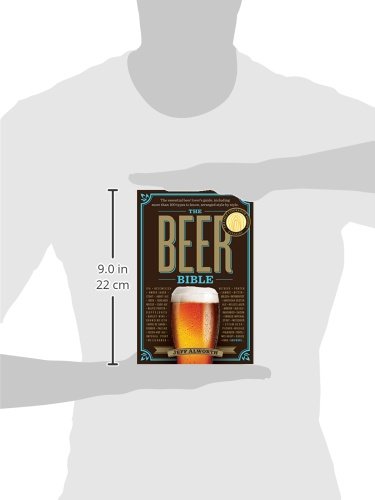
| Dimensions | 9 x 6 x 1.3 inches |
| Edition | Illustrated |
| ISBN-10 | 0761168117 |
| ISBN-13 | 978-0761168119 |
| Item Weight | 1 pounds |
| Language | English |
| Print length | 644 pages |
| Publication date | August 11, 2015 |
| Publisher | Workman Pub Co |
| Reading age | 1 year and up |
T**Y
Beer Bible Lives Up To Its Name
Perhaps no other word in the English language is as used and abused as the word “bible.” The Bible is, of course, the book, the granddaddy of them all, the book of books, ground zero for storytelling. So it’s no surprise that contemporary authors would tap into that universal vibe, hoping to ride the bible wave. On Amazon there are books called The Freelancer’s Bible, The Screenwriter’s Bible, the Medical Marijuana Grower’s Bible, the Colored Pencil Painting Bible—there’s even a book called the LSAT Logic Games Bible, which is a stretch even by LSAT standards. There is, of course, The Wine Bible. All these books use descriptors like “everything” and “complete” and anything else that derives foundational juju from that archetypal tome. And now Jeff Alworth has given us The Beer Bible. Alworth is a beer writer and author of The Beer Tasting Toolkit and Cider Made Simple, and he has his own blog, Beervana. In addition, he writes a weekly column for All About Beer, and co-hosts the quirky and entertaining podcast—also called Beervana—with Patrick Emerson. Alworth has mash tuns of information to share, and it’s quickly evident that he does his research the old fashioned way: at the pub. That is not a snarky indictment of his writing. To the contrary, The Beer Bible is filled with concise and clear language that only occasionally leaves the hopped neophyte bewildered. There’s enough tech talk in here to satisfy more advanced brewfans, but the majority of the book is accessible to the lay readership. The Beer Bible is organized into major categories that can be read apart from the rest of the book: ales, wheat beers, lagers, and tarts and wild ales. Early on Alworth tackles the tricky territory of beer styles, or types. Other livening beverages have a distinct sense of place—terroir. Wine and whiskey reflect the regions of their production. But beer is different. Beer reflects history and economics, evolution and culture, place and time. And this is where Alworth shines. He makes sense of the complexities of beer geography without bogging down in minutiae better left to academic study. Here’s an example of his storytelling that allows access into the complexities of the beer world: If you were to devise a product equally as attractive to beer geeks as oenophiles, it would look a great deal like the “Burgundies of Belgium”…Once there were dozens of these regional specialties and it made sense to differentiate between schools known as Flemish red and brown beers. Now…their differences are far less significant than their similarities. Can’t beer lovers get a cool name like wine lovers? How about beeroisseurs? Or cervisiphiles? Anyway, that’s just an example of how this book handles what can be a confusing roadmap of understanding beer. Another way is the layout. Each section contains interesting sidebars, statistics, characteristics, brewing notes, a great “Beers to Know” section featuring a cross-section of examples, and a short feature on a notable brewer or brewery. Add to that a section called “Knowing Beer” and a section called “Enjoying Beer,” and The Beer Bible justifies its name. The other joy of this book is the sense of place that the author imparts. We feel like we are right there with him, whether he is groggily making his way through a German bierstube, or drawing information from one of Italy’s great brewmasters. He does this without abusing the first person, inserting himself only as seasoning to amplify the story. If the Bible itself was God’s word, or if it is just a compilation of where we were thousands of years ago, it serves as a good template for Jeff Alworth’s better-tasting version. This is a complete, entertaining read that serves as both a handbook and a story. You’ll find yourself reaching for this book again and again as you reach for more and different beers, and neither of those things is bad.
L**H
Great addition to beer history library
Excellent resource
C**C
My brother loved the book
He loves beer and has been enjoying this book immensely.
R**G
Too much info, overwhelms a beginner like me
I think the author really knows beer, maybe too much. Feels like this book combines beer tasting 101 (beginner), 102 (intermediate) and 103 (advanced), also beer history 101,102, 103 and beer brewing 201, 202 and 203 all together into one book. It has no particular emphasis in any of the subject, just any time the author feels like to show off his knowledge. It's full of technical terms that makes your head dizzy if you are not already familiar with the terms. To take advantage of it, I need to skip the pages and read only the portion I can comprehend, to the end of the book, then turn around to read over when I begin to understand what they mean, then start over again. I hope I will have the patience to read the whole bible completely, but I doubt I will ever. I really don't need to know that much, all I need to know is which kind of beer I may like and why, .
L**O
Most comprehensive and current beer book today!
I’ve long enjoyed Jeff Alworth’s writings on his Beervana blog, in “All About Beer” magazine and elsewhere. While I eagerly anticipated publication of “The Beer Bible,” it’s even more impressive than I’d imagined. I recommend the print version; you’ll most likely want to mark up this reference book and dog-ear pages. I’ve spent quite a few hours over the last month reading it off and on and digesting the encyclopedic information. Before I finished Part One, “Knowing Beer,” I skipped to “Beer Tourism” in Part Six. Jumping around work fine, perhaps even better than trying to read straight through this 644-page tome. Alworth arranges the beer descriptions by style—ales, wheat beers, lagers, tart and wild ales. His history of each style gives the reader a grounded perspective of how the style came to its current version. He suggests 5-8 specific beers to try in a style, listing information and mentioning the strongest points of each. With some styles, I’ve read right through. For others, I’ve had fun reading portions and sharing information with my husband about the particular beer we’re drinking. A beer bible could easily become a rote and boring list of information, but Alworth is too good of a writer to fall into that trap. The book is chock full of photos and side bars with interesting tidbits of information. I don’t know of any other book on beer that is so current, comprehensive and well written.
A**S
An essential book for the beer lover.
Jeff Alworth applies his 15 years beer writing experience to providing an essential handbook for beer lovers. He divides the book into 6 parts. The first covers the history of beer, how it is made and how to taste it. The next four parts cover beer styles and the final part covers the enjoyment of beer. The tasting chapter in the first part is especially good, providing the beer drinker some important tools to build on. His groupings and breakdowns of styles and sub-styles are not as extensive as some but they make sense for the beer drinker. He groups styles into Ales, Wheat Beers, Lagers, and Tart and Wild Ales. For each sub-style in these categories he describes the style, discusses its origins and how it is made. He also profiles a brewery that makes the particular sub-style and describes 6 beers that exemplify the style. The example beers are generally beers with a fairly large distribution. His flavor descriptors are good and from reading them it is obvious that he has actually had the beer he is describing. The final part on the enjoyment of beer covers serving and storing beer, pairing beer with food, pub behavior and beer tourism. He concludes with nearly 50 pages of appendices with useful information for the beer lover. If you like beer and want to know more about it, buy this book.
C**S
I purchased this book for an incredibly low price (1 yen) with free shipping. I thought for the price, i'm not really that bothered if it's a good book or not. I was pleasantly surprised. This book gives a comprehensive history of beer. There are sections on the various components of beer and these also go into a good amount of detail. Each style of beer is thoroughly detailed, including the history of the beer style, breweries and beers to try. Overall, this book was well worth the price.
C**N
Ufff es un libro muy extenso con muchos datos que desconocía acerca de la cerveza en genera, me llevara meses disfrutarlo todo, lo único que me hubiera gustado es que incluyera tópicos de la cerveza en América Latina, pero es un tema tan extenso que sería un libro nada mas para eso
D**R
If you want to know everything about your favourite drink, this is where it's at. Learn from the best
C**E
Lo recomiendo encarecidamente, a pesar de estar escrito por una eminencia en EEUU, no se limita a poner énfasis en los modernos estilos del craft beer americano. Aborda todos los estilos de cerveza de una manera amena y muy muy didáctica, incluso para personas recién iniciadas en esta fantástica bebida. El precio, teniendo en cuenta el número de páginas, es más que barato! No lo dudes!
C**A
This is the quintessential book for anyone interested in learning about beer. The author does a superb job in describing styles and their historical, social and geographical aspects. I couldn't put it down and I'm already planning to read it again.
Trustpilot
Hace 1 semana
Hace 2 semanas