
Descargar la aplicación


Servicios al cliente
Sobre nosotros
Copyright © 2025 Desertcart Holdings Limited
Descargar la aplicación
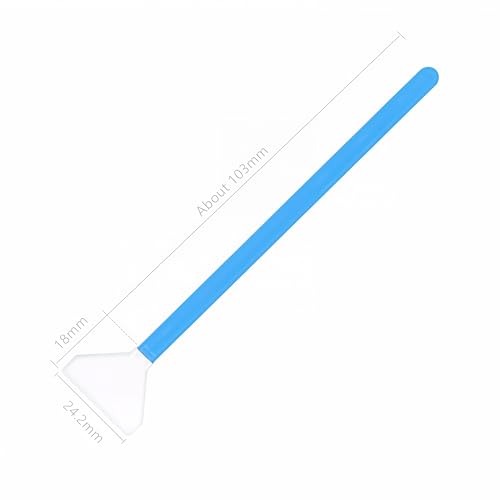
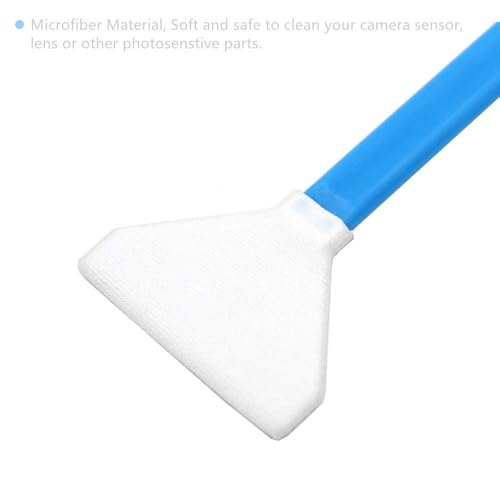
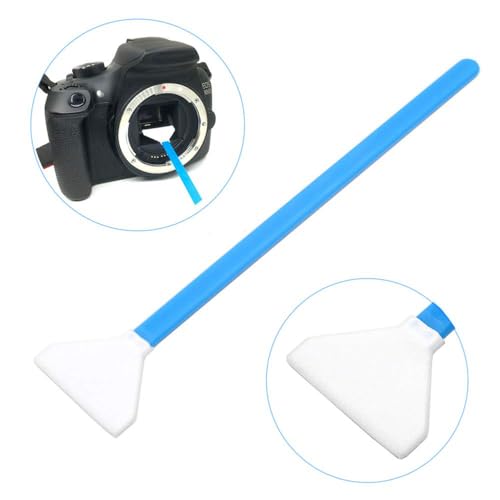
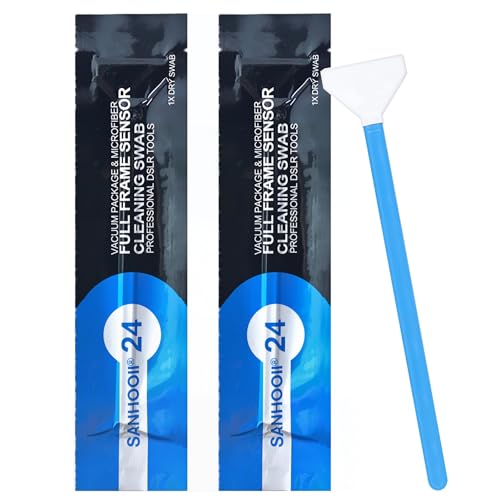
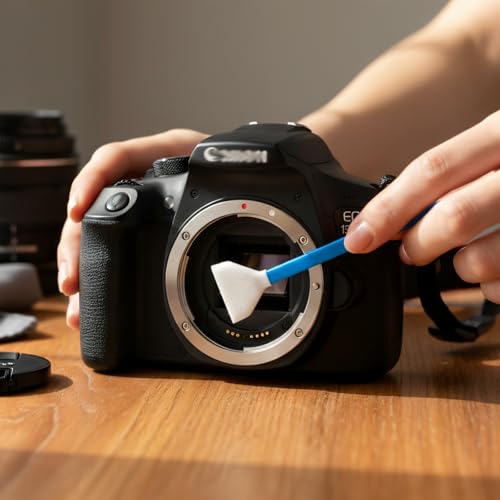
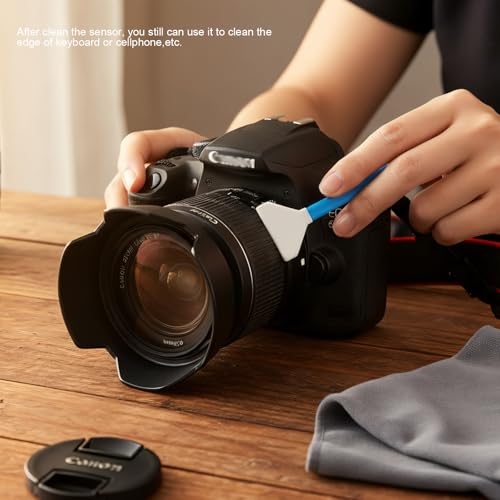
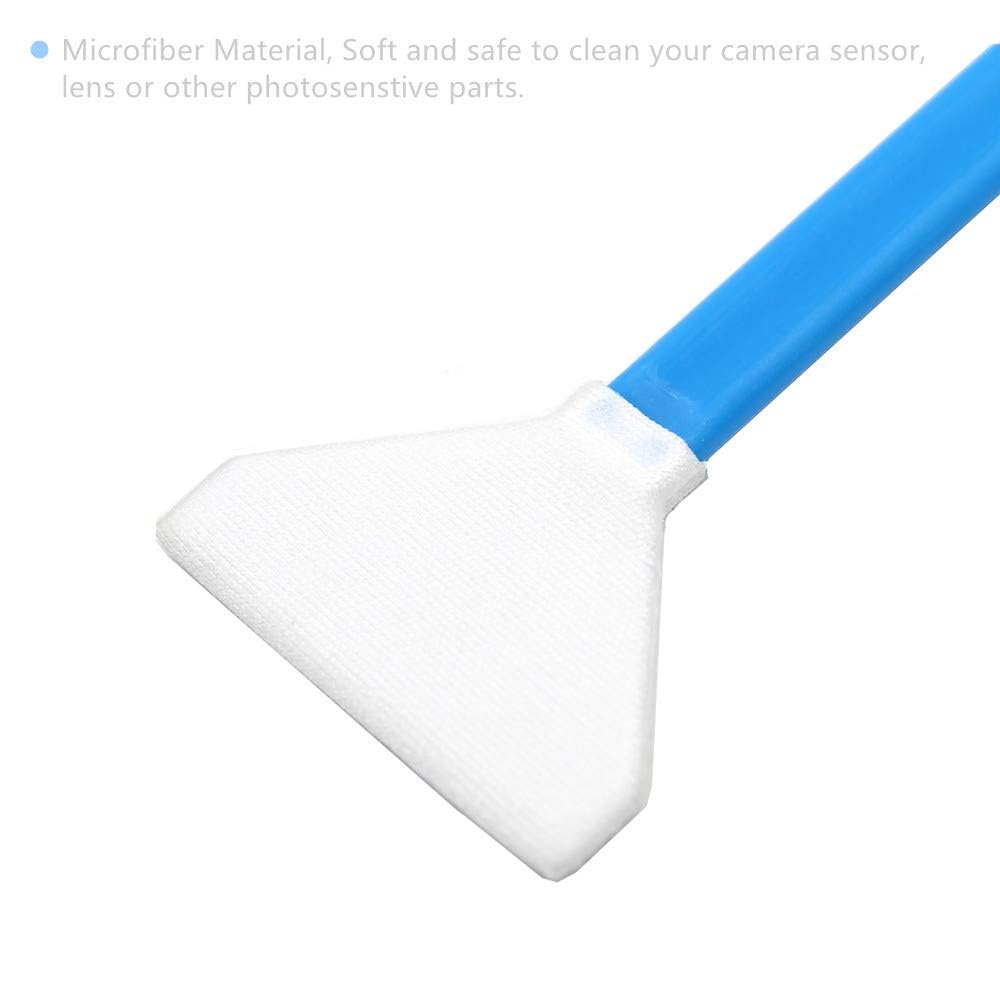
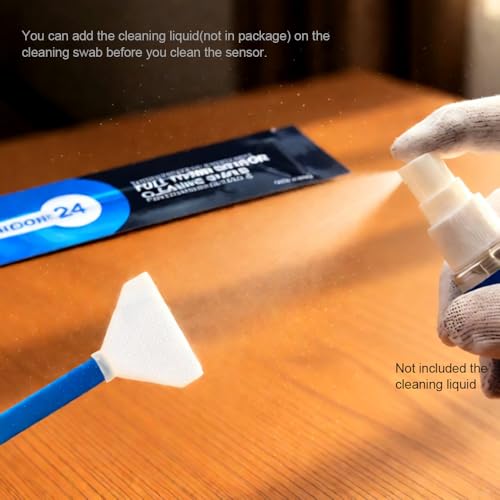
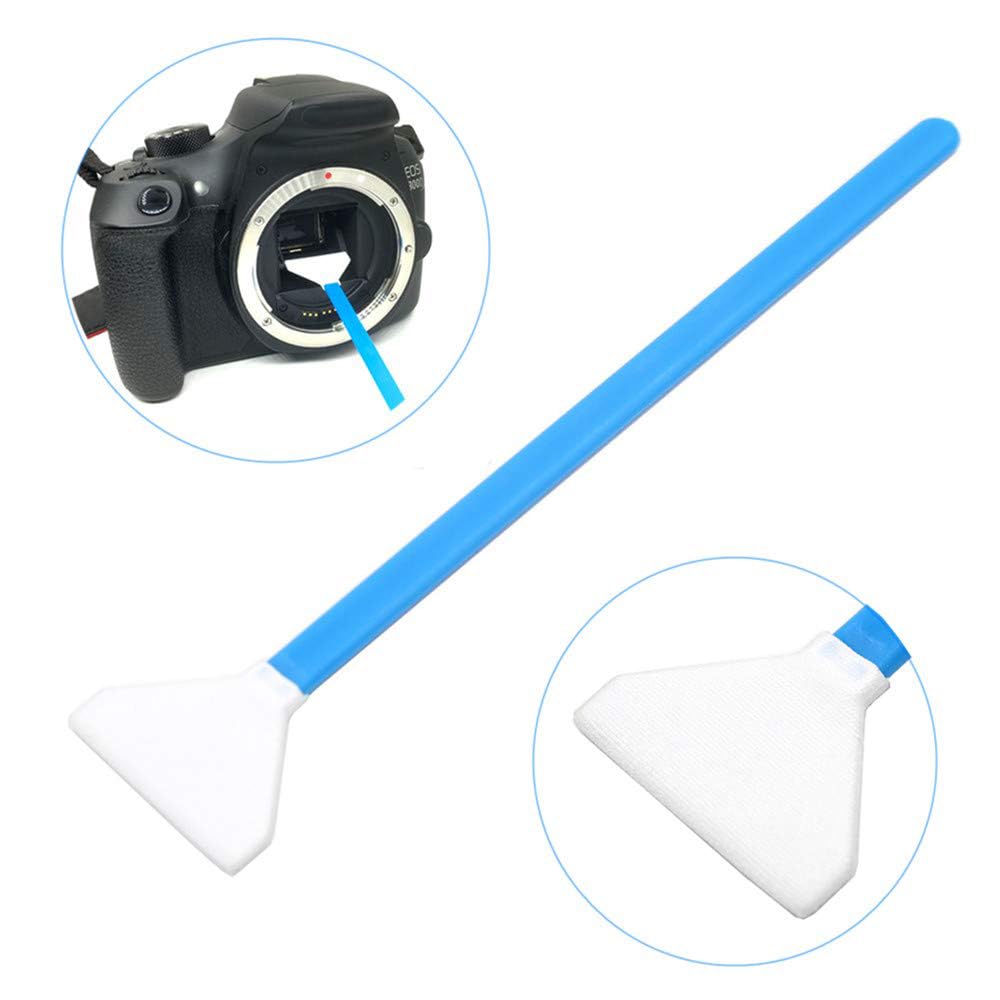
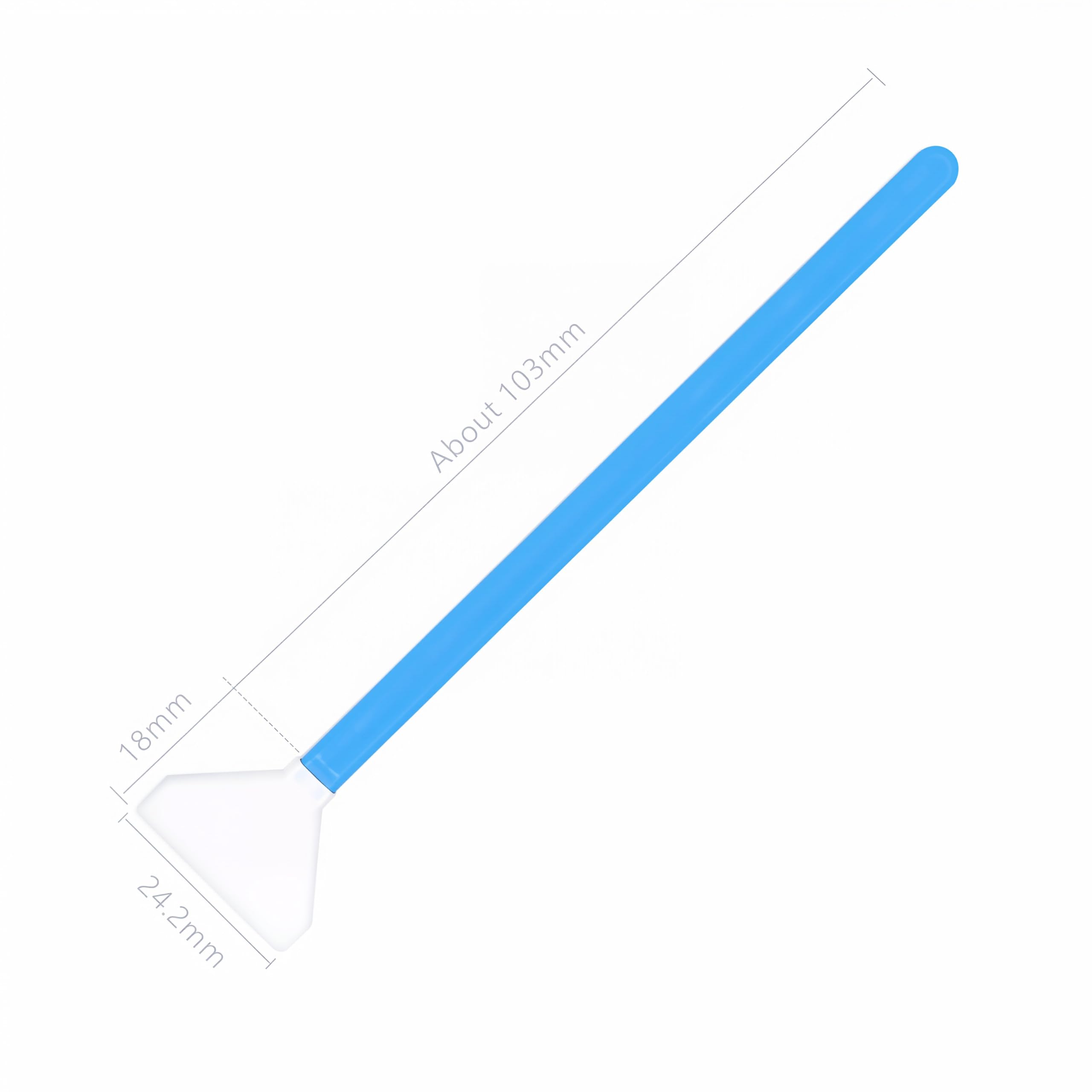
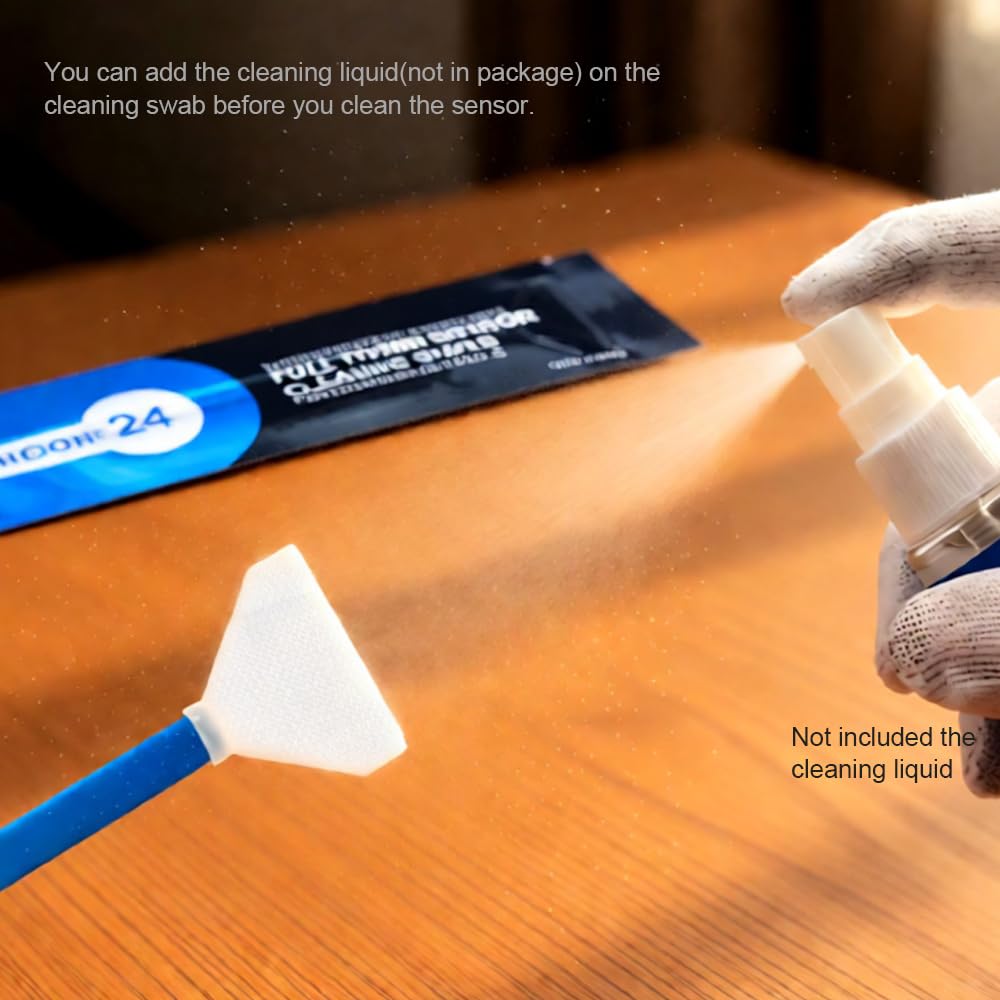
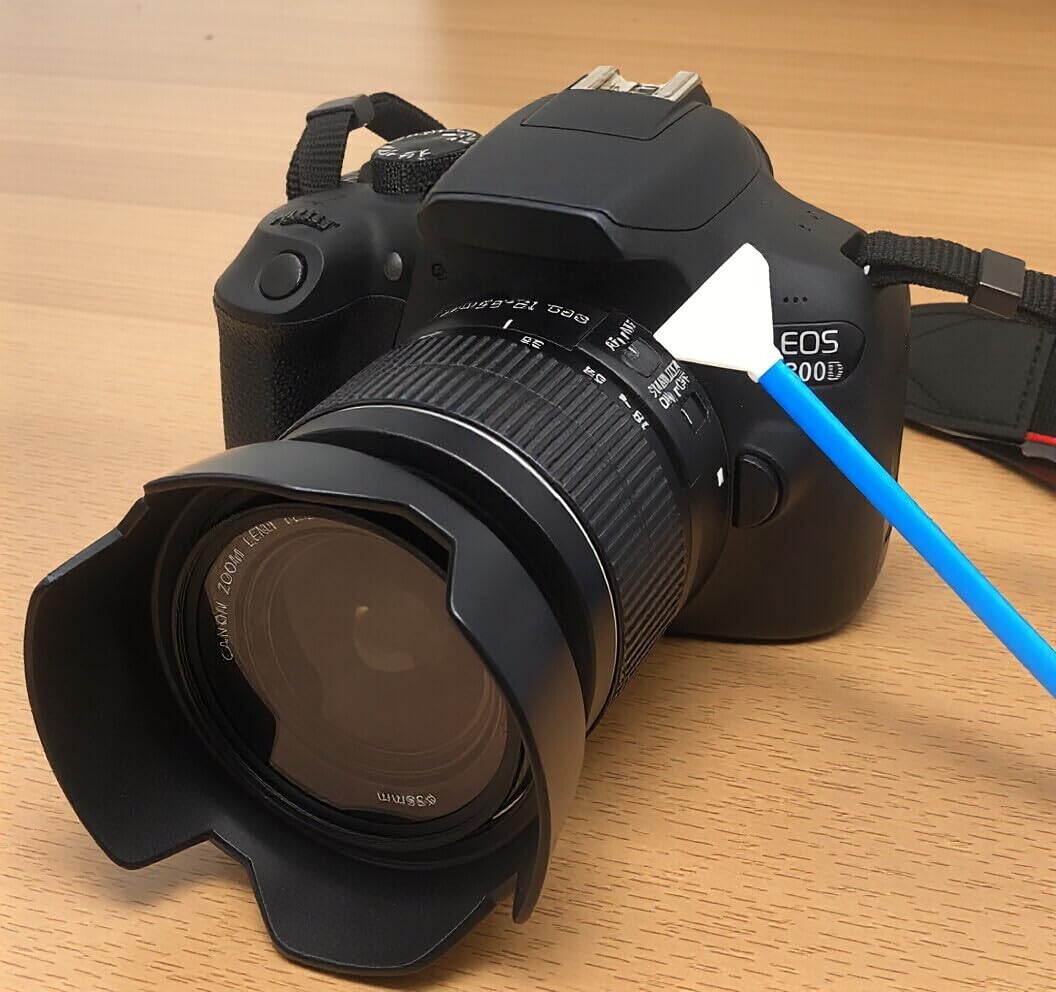
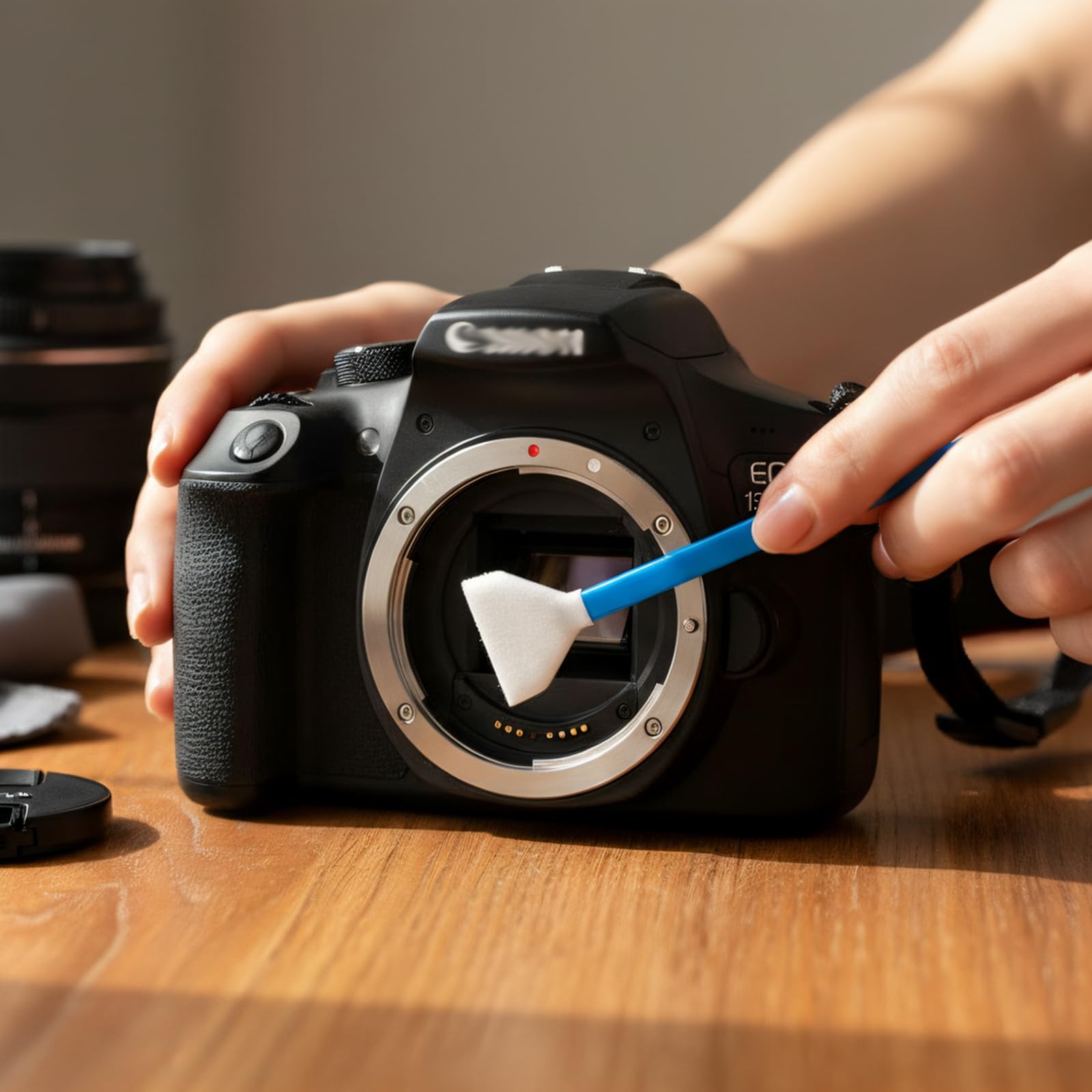
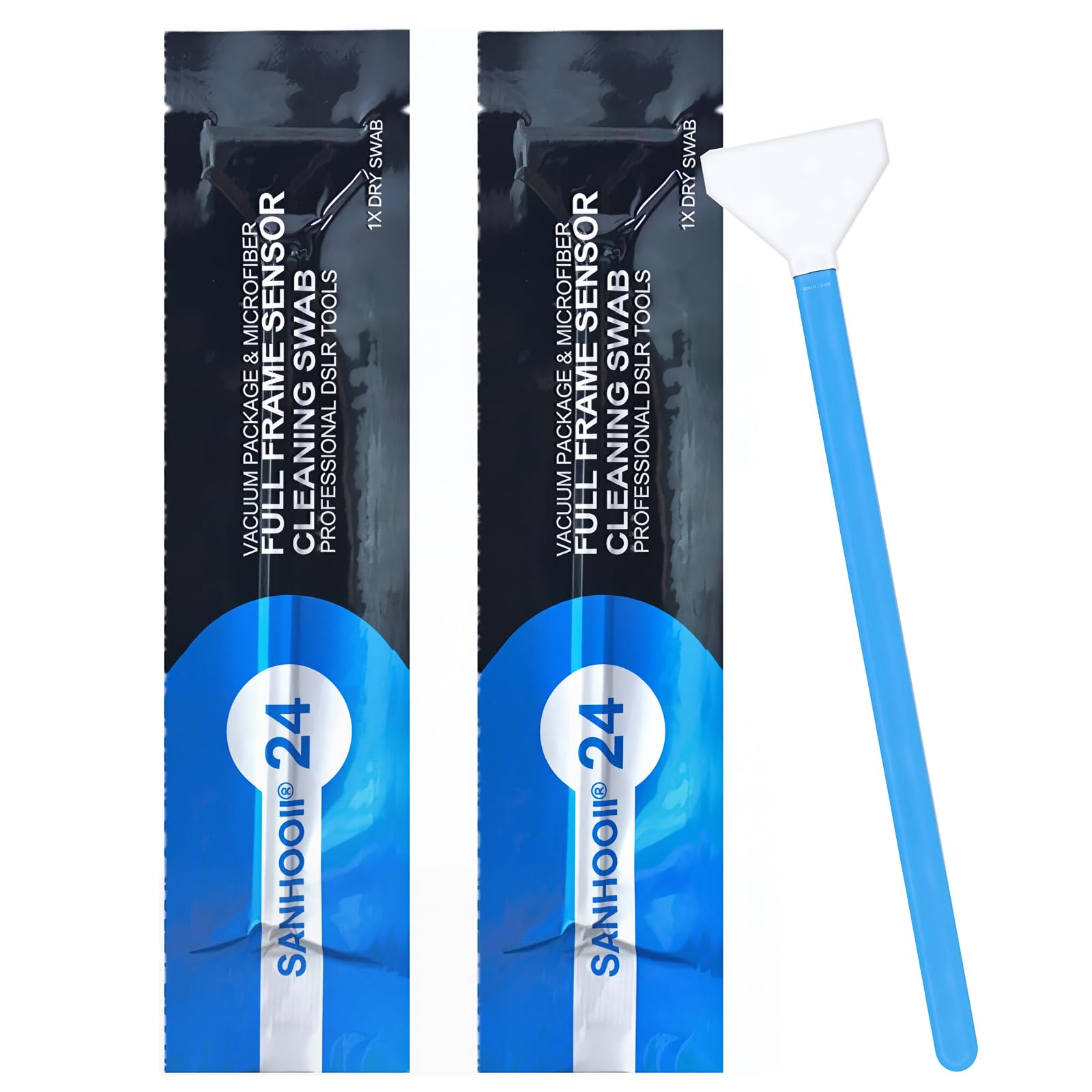
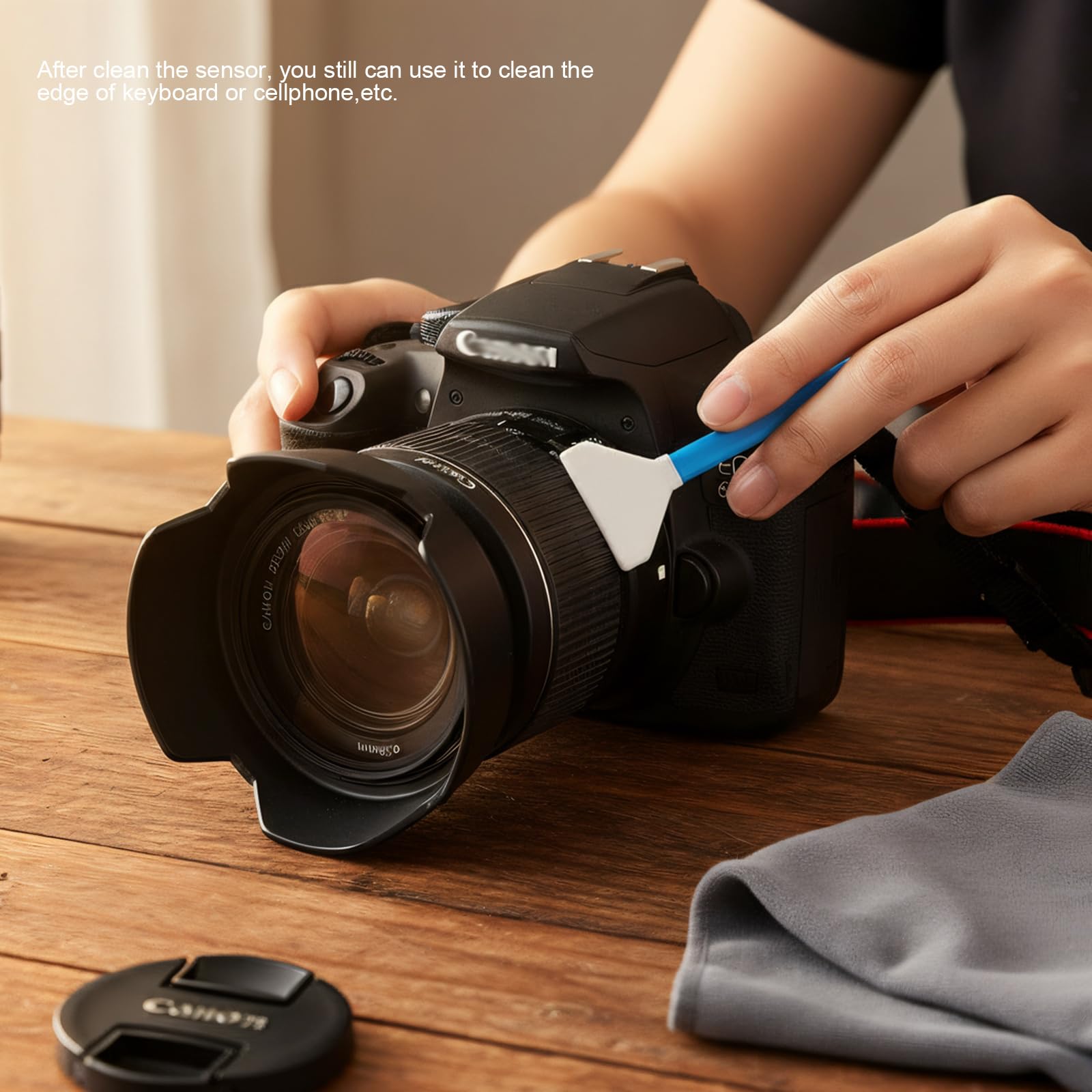
SLR or DSLR Digital Camera Full Frame Sensor Cleaning Swabs Features: The camera cleaning kit with extremely soft head, your sensor not to be damage . The head cover of the sensor cleaning swab is made of super microfiber cloth which is safe to your sensor and not easy get dirt. The size of swab is 24mm 120mm which is compatible to Full Frame sensors. Each swab is packed in a vacuumed package ensure 100% dust free. Steps for usage: 1.Remove the lens. 2.Use professional air blower to blast the dirt out of the sensor. 3.Use Full frame sensor cleaning swab and Spray some Cleaning Liquid on the head of the swab. 4.Gently drag the swab from the left of sensor to right. Turn the swap around and drag the clean side from right of sensor to the left. Tips: Make sure your camera's battery is fully charged before your sensor cleaning process to avoid low power reflector turn back to cause damage. One swipe in each direction. The camera cleaning swabs is not reusable. But you still can use it to clean the edge of keyboard or cellphone,etc Review: Goede swaps, werkt goed, correcte maat voor full frame sensors Review: This product is trash. I was looking for a tool to clean my camera sensor. These wipers are not soaked in cleaner or any other sort of liquid, it was dry and not soft. The tip of the wipers is very hard, I did not end up using them as I was afraid they would scratch the surface of the sensor. Look for a different brand or a different product where the tips come wet and soft and don't waste your money on this product.


| ASIN | B07M65XXFZ |
| Item Dimensions LxWxH | 16 x 14 x 1.3 Centimeters |
| Item Weight | 50 g |
| Item model number | 5823874450 |
| Manufacturer | SANHOOII |
| Product Dimensions | 16 x 14 x 1.3 cm; 50 g |
B**G
Goede swaps, werkt goed, correcte maat voor full frame sensors
M**P
This product is trash. I was looking for a tool to clean my camera sensor. These wipers are not soaked in cleaner or any other sort of liquid, it was dry and not soft. The tip of the wipers is very hard, I did not end up using them as I was afraid they would scratch the surface of the sensor. Look for a different brand or a different product where the tips come wet and soft and don't waste your money on this product.
D**Y
If you change lenses frequently, you will get grime inside the sensor region of your camera, and on a trip of a week or more, you are guaranteed to get some dust spots on your sensor. Bring the Giotto Rocket Blower, since that may take care of some of the spots. I have found about 50% of them don't go away with the blower. Carrying a small bottle of Eclipse sensor cleaner and these swabs can save your hours of time, not having to use the Q tool in Lightroom to get rid of the dust spots. It may take 2 or 3 swabs to get your sensor really clean, so bring half a dozen swabs. They are really one time use swabs: don't risk damaging your sensor by reusing a swab! In the past, I have used Pec Pads cut to the right size taped to a cleaning wand. These work quite well, but the premade swabs are a lot easier to use: just tear open the package, and you're ready to go. Not having to tape the Pec Pad to the cleaning wand is a huge time saver and is so much more portable when travelling. Hint 1: If you don't have a good lamp to work under in your travel location, try cleaning the sensor when you have bright sunlight to work with to shine into the mirror box/sensor area. Hint 2: When you put the wand with the Eclipse cleaning fluid into the sensor area, have it turned 90 degrees to the direction that you will be wiping in, parallel to the long side of the sensor. It's easy to accidentally tap the side of the mirror box with the wand if you are going in with the wand oriented to the short side of the sensor. You really don't want to wipe the sensor with the wand if it has touched anything else, since it can leave grease smudges on the sensor. Hint 3: You don't have to be ultra-gentle with the swab. Just smoothly go one way across the sensor, and then back again. To get an image that will show the dust spots, use a long telephoto, go manual exposure or aperture priority and stop down to f/22 or higher. Focus to infinity and point to a bland part of the sky and adjust your exposure with the shutter speed dial if you are using manual. Adding 1-2 stops of exposure makes the image brighter and easier to see the dust spots (+ exposure compensation). The resulting photo will allow you to pixel peep and find the dust spots easily.
S**A
Buenos y precio ok, podría ser mas barato, pero funcionan muy bien
A**.
Prodotti pratico e fortemente sicuroli per la pulizia del sensore della fotocamera. Mi sono dovuto adattare. Peccato che non è per sensore Olympus sistema 4/3 Standard. Comunque devo ammettere che sono di qualità.
Trustpilot
Hace 2 días
Hace 2 semanas