We remain fully operational. Our teams are working around the clock to ensure your deliveries continue safely.

Descargar la aplicación


Servicios al cliente
Sobre nosotros
Copyright © 2025 Desertcart Holdings Limited
Descargar la aplicación

Buy anything from 5,000+ international stores. One checkout price. No surprise fees. Join 2M+ shoppers on Desertcart.
Desertcart purchases this item on your behalf and handles shipping, customs, and support to Uruguay.
🎶 Hear every detail, miss nothing—because your sound deserves the pro touch.
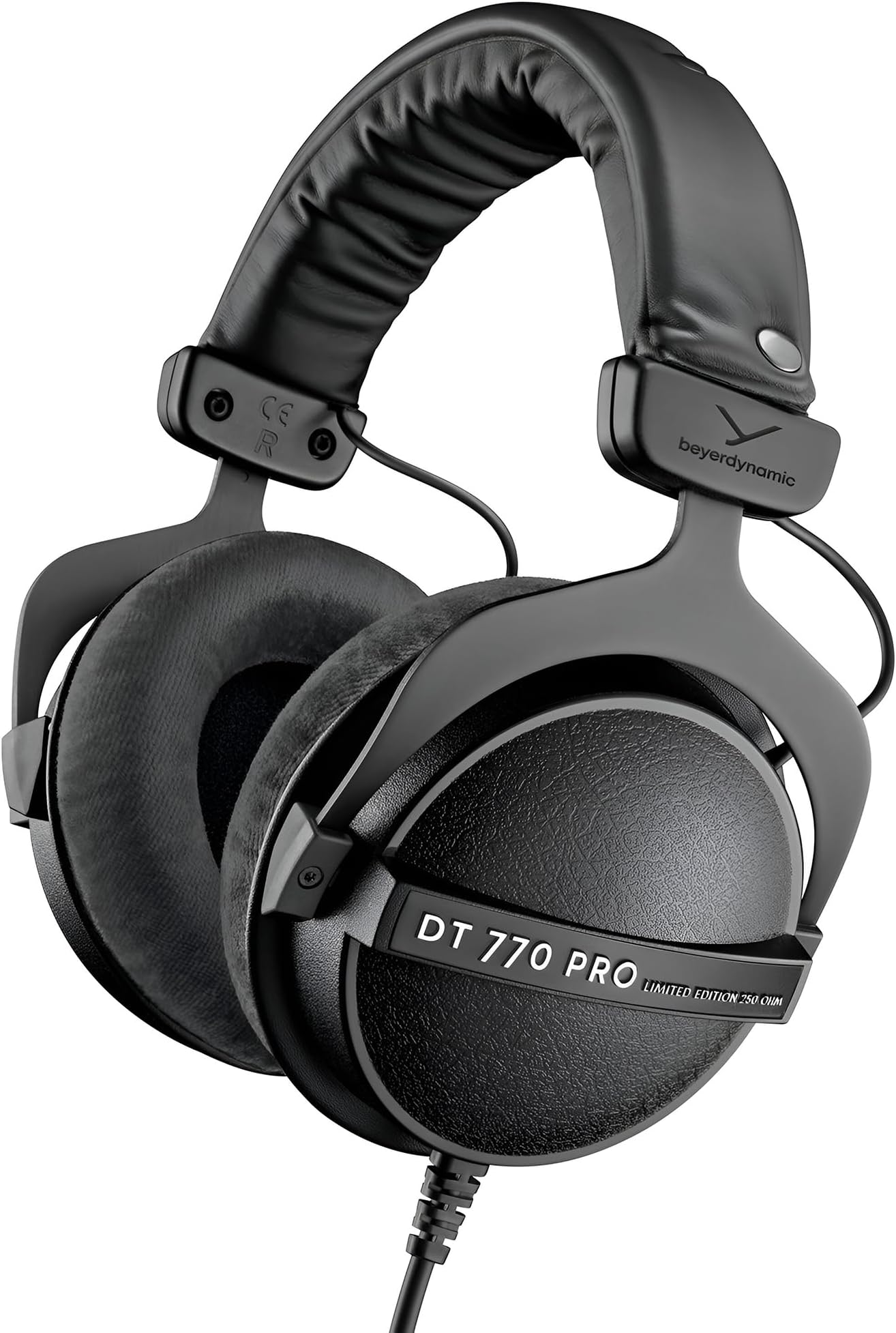
The beyerdynamic DT 770 PRO 250 Ohm headphones are professional-grade, closed-back, over-ear monitors designed for studio precision and audiophile clarity. Featuring a high-impedance dynamic driver, superior noise isolation, and a 3-meter coiled cable, they deliver detailed, transparent sound ideal for mixing, mastering, and critical listening. Crafted in Germany with soft velour ear pads and a lightweight frame, they ensure comfort during extended use. Trusted by professionals worldwide, these wired headphones offer durable build quality and consistent performance for demanding audio environments.


| ASIN | B07H48TGYM |
| Additional Features | Noise Isolation, Tangle Free Cord |
| Age Range Description | Adult |
| Antenna Location | Audio Monitoring, Gaming, Recording, Studio |
| Audio Driver Type | Dynamic Driver |
| Best Sellers Rank | #241 in Musical Instruments ( See Top 100 in Musical Instruments ) #4 in Recording Headphone Audio Monitors |
| Brand Name | beyerdynamic |
| Built-In Media | 1/4" Screw-on Adapter (pre-installed on 3.5mm jack), Drawstring storage bag |
| Carrying Case Color | Black |
| Carrying Case Material | Fabric |
| Color | Black |
| Compatible Devices | Universal |
| Connectivity Technology | Wired |
| Control Method | Remote |
| Customer Reviews | 4.6 4.6 out of 5 stars (9,406) |
| Earpiece Shape | Over-Ear |
| Enclosure Material | Velour (Ear Cups and Headband), Plastic/Metal (Outer Shell) |
| Frequency Range | 5 - 35,000 Hz |
| Headphone Folding Features | Over Ear |
| Headphone Jack | 3.5 mm Jack |
| Headphones Ear Placement | Over Ear |
| Impedance | 250 Ohms |
| Item Type Name | Studio Headphones |
| Item Weight | 13 Ounces |
| Manufacturer | beyerdynamic |
| Model Name | DT 770 PRO |
| Model Number | Beyerdynamic DT 770 – 250 ohm Black |
| Noise Control | Sound Isolation |
| Number of Items | 1 |
| Sensitivity | 96 dB |
| Specific Uses For Product | Entertainment, Gaming, Professional |
| UPC | 459046339580 638888651047 |
| Unit Count | 1.0 Count |
| Warranty Description | 2-year Beyerdynamic Warranty |
| Water Resistance Level | Not Water Resistant |
| Wireless Technology | Wired |
H**M
Wow! Incredible.
I do have an audiophile ears, but I do not own any audiophile equipment. Recently I bought a Yeti Plus microphone that has an audio jack for monitoring audio. So, I plugged in my Bose QC35 headphones, using the 3.5 mm audio cable, and it sounded OK. But, it didn't sound great. I decided to subscribe to Apple Music to see what the music sounds like via this setup. It was nothing to write home about. I then plugged the same QC35 headphones to my 2021 Apple M1 Pro MacBook Pro (14"), and it sounded exactly like it did out of the Yeti X microphone's headphone jack. I decided to research and see why the quality was so low. I don't normally listen to music, but I couldn't imagine that the Apple Music streamed (even at the highest selectable quality) would be so unremarkable. So, I looked up the impedance of the audio jack of the Yeti X microphone, and I realized that it's a high-impedance audio output. Then, I looked up the 2021 M1 Pro MacBook Pro specs, and what do you know? It also has a high-impedance output audio jack (unlike the 2020 M1 MacBook and MacBook Pro). So, then I googled what impedance should the headphones have for high-impedance audio outputs and learned that the impedance of the headphones should be at least 8-10 times of the impedance of the audio output in Ohms. Hence, I started the search for the high-impedance headphones. I've read hundreds of reviews, and I finally found the DT 770 PRO 250 Ohm headphones. They were well reviewed, they were relatively inexpensive, they they had a version with 250 Ohm of impedance (which is about 8 times as high as the audio output of the Yeti X audio jack). So, I decided to try these headphones. I ordered them and received them the next day via Amazon Prime shipping. As soon as I plugged them in and started the stream from Apple Music, my jaw dropped. This is what I was looking for, and here it is. Unbelievable I could get a jack pot on the first attempt for under $200 and especially becasue they are made in Germany. How is this even possible? Now, are they comfortable to wear? To me, they are a little too tight. Are they worse than the Bose QC35 when it comes to comfort? Maybe Bose QC35 are a little more comfortable. But, when it comes to the sound, OMG. There is no comparison. Unless you want to pay many times more for premium high-impedence headphones just to get a better fit, then go ahead and get the ones for $1500, $2500, etc. Otherwise, these are amazing when it comes to the audio quality. Can anyone tell that these are better than the QC35? Yes, anyone can tell unless you use these 250 Ohm ones with a low-impedance audio output like in smartphones, older MacBooks, etc. Now, my son has a 2020 M1 MacBook Air, which is an excellent laptop, but it has a low-impedance audio jack output. So, for my son, I've ordered an 80-ohm version to compare to my 250-ohm version. I will let him decide which one to go with. I'd suggest getting both the 80-Ohm and the 250-Ohm version and compare them side by side - as long as you are getting these headphones for a decent piece of audio equipment. If you are getting them for an iPhone (not sure why you would), then maybe you should go with the lowest-impedence version. Edit: I've now compared the 250 Ohm version to the 80 Ohm version. In the beginning, I couldn't tell any difference when using them with my Yeti X microphone's high-impedance audio out jack and the 2021 M1 Pro MacBook Pro high-impedance audio jack. However, the more I listened to both, the more I started hearing the difference. I then switched to testing both 250 Ohm and the 80 Ohm headsets exclusively with the 2021 M1 Pro MacBook Pro's high-impedance audio jack because it turned out that the Yet X audio jack shows its shortcomings when music with serious bass is played out of it. In my opinion, the 250 Ohm headset reproduces the sounds more accurately. When listening to Seven Nation Army by The White Stripes (on Apple Music lossless), I could actually hear some imperfection in the bass guitar (like the string was moved under the player's finger accidentally, resulting in a little distortion), while I couldn't hear this through the 80 Ohm headset. When listening to Bohemian Rhapsody Remastered in 2011 on Apple Muisci (lossless), It appears that mids and the highs are a bit dulled down through the 80 Ohm headset, whereas they are crystal clear through the 250 Ohm headset. We are talking here very subtle differences that can only be detected while listening to the same piece over and over again via both headsets (back to back). It appears that the best songs recommended for testing headsets are: 1. Bohemian Rhapsody Remastered (2011) by Queen. ... 2. Seven Nation Army by The White Stripes. ... 3. Feels Like We Only Go Backwards by Tame Impala. ... 4. Heroes (2017 Remaster) by David Bowie. ... 5. No Time for Caution by Hans Zimmer. ... 6. Diamonds From Sierra Leone by Kanye West. ... 7. Now We Are Free by Hans Zimmer Additionally, I was using the 2021 M1 Pro MacBook Pro's audio jack (which auto-senses high-impedance and low-impedance headphones). I'm not sure what it does for the 80 Ohm headphones: does it consider them low-impedance or high-impedance because, in reality, they are medium-impedance headphones. Compared to other laptops, the 2021 M1 Pro MacBook Pro probably has a decent-quality pre-amp and DAC similar to inexpensive (less than $200) standalone DACs with pre-amps. So, perhaps to hear the difference between the 80 Ohm and 250 Ohm versions of this headset, one should use decent audio equipment. My son hasn't yet tested the two headsets with his 2020 M1 MacBook Air, so I'm not sure which one he decides on. I will post another update later.
S**S
Beyerdynamic DT 770 Pro 250 Ohm Headphones
Before getting these Beyerdynamics, I'd never spent more than $50 on a pair of headphones. Over the last thirty years, I've had headphones in that price category by Sennheiser, Koss, Audio-Technica, and Philips. For the last ten years, I've been unnecessarily content with a pair of Philips SBC HP250 32 ohm headphones. I've missed decades of opportunities to listen to quality sound because of this misplaced frugality. These DT770 Pro headphones resolve and clarify detail that in my previous headphones was a sonic blur. Specifications: Beyerdynamic headphones are made in Germany. The DT770 Pro is available in 80 ohm and 250 ohm. These are the 250 ohm model. Frequency response on either model is 5 Hz to 35 kHz. They are closed back headphones, and the ambient noise attenuation is approximately 18 dbA. THD (total harmonic distortion) is less than 0.2% and nominal SPL (sound pressure level) is 96 dB. Their power handling capacity is 100 mW. The cable is 3 meters long, which is coiled on the 250 ohm model and straight on the 80 ohm model. The coiled cable isn't long enough to wear the headphones and move far from the jack, so I've linked it to a Mogami Gold EXT 10 foot Headphone Extension Cable I bought after getting the phones. This allows me to sit or move around the room some distance from the jack, but I think now that a 15 foot extension would have been a better choice, since I don't like to overstretch the coils on the headphone cable. (This Mogami cable is heavy duty and I absolutely recommend it.) These 250 ohm phones work fine without a headphone amp, plugged straight into my i3 Toshiba Satellite P745 laptop (year 2012 model). I do amplify them, though (because I already had the amp and they sound even better amped), with a (discontinued) Rane HC 4S headphone console. Specs on the Rane amp: This is a four phone amp (actually four amps in one rolled steel, rack-mountable box) designed to take the output of a studio mixer (so it's not an audiophile amp). It takes two ¼ inch phone plugs (tip/ring) for input and then outputs to both a stereo 3.5mm mini jack or stereo ¼ inch stereo phone jack for each headphone (choose one per amp), and is switchable overall from stereo to mono. Each phone has its own volume control and LED overload indicator. The amp has output impedance of 1 ohm max and will drive phones from 32 to 600 ohms, taking them typically up to 120 dB SPL, with 200 mW minimum power for 32 to 150 ohm phones (with 75 ohm phones being optimum at 239 mW, and yielding 146 mW for 300 ohm phones). Frequency response is 10 Hz to 45 kHz (+0/-3 dB). From the computer to the amp: I do not have a DAC between the computer and amp. To connect the laptop to the amp, I use a six foot long Sescom SES-IPOD-QTRM06 cable with 3.5mm stereo plug to dual ¼ inch phone plugs, and plug it into the headphone jack of the laptop. This cable was designed for the iPod and is of higher quality (and more costly) than the three foot long Hosa cable I was using before this. (Sescom also makes cables with a 3.5 mm stereo plug going to two RCA plugs.) I use a right-angle 3.5mm female to 3.5mm male adapter at the headphone jack to protect the cable and jack from developing a short from the weight of the cable. As of this writing, I'm using an adapter from Radio Shack, but I might try a Hosa brand of the same type. The first thing I did on getting the Beyerdynamics was to compare them, using the Rane amp, with the Philips SBC HP250 I've been using for years. The DT 770 at 250 ohms is softer in loudness than the 32 ohm Philips at the same volume setting, but not by much. The difference in clarity and sound quality, especially at high volume, is striking. I'll leave it to others to write about soundstage and presentation of low, mid, and high frequency ranges. I also use these phones with my ten-year-old Sony receiver, straight from the headphone jack, and they are an improvement over my previous headphones. Software: On the laptop, I'm using JRiver Media Center (purchased) and VLC Media Player (free). I started out with foobar2000 (free) for audio, but JRiver is superior and worth the small expense. Media Monkey is another program I tested. It is also free unless you want the more advanced version. I highly recommend JRiver Media Center. I've set it as the default player for videos also, usurping VLC. However, VLC and foobar2000 (along with Irfan View for a picture viewer and simple image editor) are good programs that can replace the Windows media player with advanced features and without cost. They remain on my computer with shortcuts on my desktop. I use iTunes for iTunes U and nothing else. These headphones sound good with this setup, although I suspect there is more quality to be had from them with better mediation between the audio's digital data and the headphones (i.e. audiophile grade DAC and amp, such as those available from Musical Fidelity, Burson, or Lehmann Audio, among many others. I had to return the first pair of these headphones for a replacement before a month was past because the right side cut out. I got them from the Recording Store here at amazon and out in the physical world in New York. They sent me a phone number to call. I asked for a new pair (I really like these headphones), and they happily sent me a return label via email. I had the replacements via USPS Priority within a week (literally) of sending out the defective pair via UPS. Excellent service. Choices (for me) flanking the DT 770 Pro 250 Ohm were the Audio-Technica ATHM50S Professional Monitor Headphones (38 Ohms) (costing less) and the BEYER DYNAMIC DT880-Pro Headphones (250 Ohms) (costing more). Sennheiser was the other brand I considered. I did not listen to any of these before buying. I have no regrets about my choice. You can spend a lot of money on headphones. You can also spend hardly any money at all. You'll hear the tune and pulse of the music in even the cheapest phones. It's up to you to decide how much you're willing to pay to hear more. I think the DT Pro 250 Ohm is a good pair of entry-level audiophile headphones.
B**Y
GREAT build quality.
Hands down the best headphones i've purchased in a VERY long time. I use headphones daily well over 8 hours each day. These sound good just as they did a year ago when i first bought them, and they are exceedingly durable. All of my headphones would break down, especially the adjustable/expanding ear regions. These things are crazy solid, and yet comfortable too during extended use. Am a programmer and i HAVE to have my music. Sounds are deep and rich, no tones missing, and works great with synths for adjustments. Best headphones. If my current ones break, I'm buying this same one again. Fantastic.
S**S
Great sound and the pads are very very comfortable.
N**.
Ascolto in alta fedeltà da oltre 50 anni e ho posseduto varie cuffie, dalla famosa (ai tempi) Koss pro4aa ad alcune Akg, Sennheiser e Sony. Tralasciando di recensire un prodotto sul quale è già stato detto tutto, condivido la mia esperienza con la speranza di evitarvi qualche delusione. 1- A mio parere necessita di un buon periodo di rodaggio prima di dare il meglio, almeno 30/40 ore. 2 – Attenti all’impedenza: quella da 250 ohm è adatta ad essere collegata ad amplificatori dedicati per cuffie, mixer, uscita cuffia ampli hi-fi e altri del genere. Per quanto riguarda l’uscita cuffia dell’ampli, la collego con successo ad un Yamaha as-701 che ha un’impedenza di 470 ohm e vi posso assicurare che il volume d’uscita è elevato. Come amplificatore dedicato uso un Topping L30 II con guadgno impostato a max e, ovviamente, il suono migliora sensibilmente sotto vari aspetti, alti compresi che sono presenti ma non pungenti. 3– E’ una cuffia da studio e da molte parti viene affermato che la versione a 250 ohm fornisce un suono più piatto e equilibrato. Proprio perché è adatta ad un uso da studio a mio parere (e come indicato sulla confezione - v. Foto) è adatta anche ad un uso audiofilo, di vera alta fedeltà anche se non hi-end. Attenzione, però, purchè non si pretenda quel suono “caldo e avvolgente”, quei “violini setosi” e altre cose del genere che molti cercano. Se è quello che desiderate allora compratevi un’altra cuffia perché la d770 vi fa tutti gli esami rivelatori possibili di un brano musicale, mettendo in evidenza pregi e, impietosamente, difetti di registrazioni e apparecchiature. Nel mio caso, sia accoppiata al suddetto Yamaha as-701 che all'ampli dedicato Topping L30 II, amplificatori non hi-end ma di ottima qualità, vi restituisce un ascolto molto analitico, soprattutto se riproducete con un buon dac brani in altissima risoluzione da piattaforme come AMAZON MUSIC HD, TIDAL, QOBUZ e simili. La riproduzione di alcuni strumenti, come ad es. i piatti della batteria, è davvero impressionante e paragonabile a ciò che ho potuto ascoltare dal vivo: vi trafigge le orecchie, anche se il vostro udito è avanti negli anni. 4 – In virtù di quanto sopra, anche se è da 32 o 15ohm , vi suggerisco di non collegarla direttamente all’uscita audio di pc, tablet o smartphone, magari per ascoltare brani in mp3: sarebbe sprecata. Consigliabile? Certamente, ma bisognerebbe sapere bene in anticipo cosa si va ad acquistare.
D**O
los mios me llegaron antes y logicamente toda una sorpresa para bien,servicio de entrega de primera, el paquete intacto todo en su lugar, ya puestos se puede trabajar horas sin problemas gracias a la calidad de sus orejeras aterciopeladas en este caso color gris los hacen comodos, la diadema tambien es acolchonada y muy comoda, sin duda beyerdynamic DT-770-PRO-32, 250 ohms de mis concentidos, en el estudio me permite trabajar cómodamente y de manera precisa, lógicamente trabajo con diferentes marcas y versiones pues necesitas comparar tu monitoreo pero sin duda la calidad de materiales, asi como la confiabilidad de su sonido a nivel profesional hace que los legendarios DT-770-PRO-32,sigan siendo lo que siempre han sido,toda una leyenda, cada frecuencia en su lugar con una imagen stereofonica abierta que te permite reconocer cada instrumento con balance bien definido captando cada detalle de tu mezcla , un tip para los casos en donde no necesariamente se usen en estudio de audio pero se conecten a dispositivos moviles, ipod, tablets, etc.,las versiones en 32 o 80 ohm, serian la recomendación,sin duda una herramienta de escucha confiable en todos sentidos que recomiendo !.
C**1
The cable that comes of the 250 ohms is coiled. Which is better because it's short, but stretches and becomes long when you need it. I can literally go across my room with my headphones on my head. As for these headphones in general, they're very good for a closed-back headphones. Great isolation, great sound, and there is barely any sound leak. The only issue with these headphones is the issue that almost all closed-back headphones suffer from, and that is when you use it for hours you will notice that your ears are getting fatigued and kinda muffled because your ears can barely take some air (since its closed-back). You will need an amplifier to get the most out of them, though. I use FiiO K5.
M**D
جداً جميلة ومريجة ذات جودة عالية اتعب وانا امدحها لكن تمنيت ان الاطار اللي على الاذن يكون جلد افضل من القماش مخمل انا اخذت 250 برو هذا كان رايي وشكراً
Trustpilot
Hace 2 semanas
Hace 1 mes