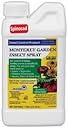
Insect Spray with Spinosad, Pint
Product ID: 13832638
Details
- BrandUnknown
- Item FormSpray
- Specification MetListed
- Target SpeciesInsects
🌿Safe for edible plants
🦗Spinosad-powered pest control
🛡️OMRI certified organic
$U3881
1
Sold byAmazon UruguayDelivered byDesertcartCustomer service byDesertcartReturns14 days · 30 with PRO
Buyer Protection · Full refund if your order doesn't arrive as described.
Desertcart purchases this item on your behalf and handles shipping, customs, and support to Uruguay.
Secure transaction
Details
- BrandUnknown
- Item FormSpray
- Specification MetListed
Description
🦗 Defend your garden like a pro—because pests don’t stand a chance!
- BROAD SPECTRUM ACTION - Effectively targets a wide range of foliage-feeding pests including beetles, leafminers, and more.
- NEXT GEN PEST DEFENSE - Harnesses spinosad, a cutting-edge bio-insecticide for superior control over caterpillars, thrips, and fire ants.
- VERSATILE APPLICATION - Perfect for lawns, outdoor ornamentals, and multiple fruit crops like apples, citrus, and stone fruits—one spray, many solutions.
- B T REPLACEMENT POWER - A modern alternative to traditional B.T. sprays, delivering enhanced efficacy and longer-lasting results.
- GARDEN FRIENDLY FORMULA - OMRI listed and safe for use on vegetables, fruits, ornamentals, and turf—protect your harvest without compromise.
This Insect Spray with Spinosad is a patented, OMRI-listed organic solution that controls a broad spectrum of foliage-feeding pests including caterpillars, thrips, and fire ants. Safe for use on vegetables, fruits, ornamentals, and turf, it offers a powerful, next-generation alternative to traditional B.T. sprays, ensuring effective pest control while protecting your edible crops.
Specifications
| ASIN | B008X9LESM |
| Best Sellers Rank | #1,451,338 in Patio, Lawn & Garden ( See Top 100 in Patio, Lawn & Garden ) #4,188 in Lawn & Garden Sprayers |
| Brand | Unknown |
| Customer Reviews | 4.0 4.0 out of 5 stars (4) |
| Item Form | Spray |
| Manufacturer | Monterey |
| Part Number | 12562 |
| Specification Met | Listed |
| Target Species | Insects |
Common Questions
Yes, all products are sourced directly from authorized retailers in the US, UK, UAE and India. We maintain strict quality control processes and verify each product before shipping. All items come with applicable manufacturer warranties and are covered by our standard return policy.
Delivery times vary by destination country, typically ranging from 3-9 business days. Each order is fully trackable through our system. We handle all customs clearance and use reliable courier partners for last-mile delivery. You'll receive regular updates about your order status via email and our app.
Desertcart is an international e-commerce platform operating since 2014. We securely process thousands of orders globally each day. Every product goes through our quality verification process before delivery, and we provide end-to-end order tracking, 24/7 customer support, and a comprehensive returns policy to ensure a safe shopping experience.
Our prices include the product cost, international shipping, import duties, customs clearance, and local delivery charges. We handle all customs and import procedures, ensuring there are no hidden fees upon delivery. PRO members receive additional benefits including free shipping.
Trustpilot
TrustScore 4.5 | 7,300+ reviews
Shop Global, Save with Desertcart
Value for Money
Competitive prices on a vast range of products
Shop Globally
Serving millions of shoppers across more than 100 countries
Enhanced Protection
Trusted payment options loved by worldwide shoppers
Customer Assurance
Trusted payment options loved by worldwide shoppers.
Desertcart App
Shop on the go, anytime, anywhere.